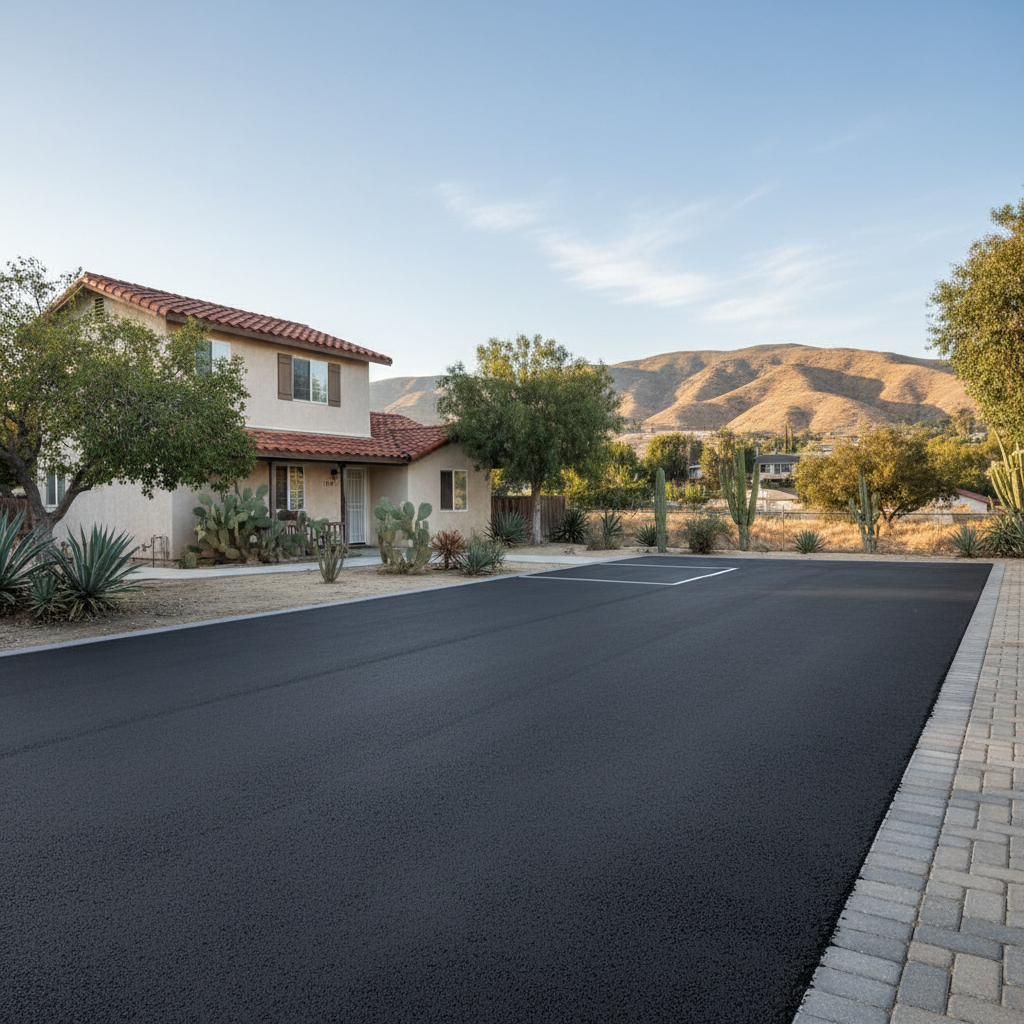
Alright, let's get straight to it. You've got a business in National City, maybe down by the waterfront or up in Paradise Hills, and your parking lot or access road is looking rough. You know it needs fixing, maybe even a full replacement. That's a smart move; a good-looking, safe lot says a lot about your business. But here's the kicker: I've seen more commercial asphalt projects get messed up than I can count, and it's usually because folks make the same few mistakes right from the start. You don't want to be one of them, trust me.
Mistake #1: Focusing Only on the Lowest Bid
This is probably the biggest one, and it's a classic. You get three bids, and naturally, you're drawn to the cheapest one. Who wouldn't be? But when it comes to asphalt, especially for a commercial property, the lowest bid is often a red flag waving in the wind. A contractor who consistently underbids everyone else might be cutting corners somewhere. They might be using cheaper, lower-grade materials that won't stand up to the heavy traffic your business sees. They might skimp on the base preparation, which is absolutely critical for the longevity of your pavement. Or they might not have the right equipment or experienced crew, leading to a shoddy job that falls apart in a year or two.
Think about it: a parking lot isn't just a slab of black stuff. It's an investment. It's the first impression for your customers and a crucial part of your property's infrastructure. If you go cheap now, you'll almost certainly pay more later for repairs or even another full replacement. It's a false economy. Get competitive bids, sure, but don't let price be the only factor. Ask why one bid is significantly lower. A good contractor, like us at National City Precision Asphalt, will be transparent about their materials and process.
Mistake #2: Not Understanding the Scope of Work
You tell a contractor, "I need my parking lot paved." Sounds simple, right? But what does that really mean? Do you need a simple overlay? A full tear-out and replace? Are there drainage issues that need addressing? What about ADA compliance for parking spaces and access ramps? Are you expecting new striping, speed bumps, or bollards?
Many business owners don't fully define what they need, and then they're surprised when the final product doesn't meet their unspoken expectations. Or worse, they assume the contractor will just know. Don't assume. Get everything in writing. A detailed proposal should clearly outline:
- The exact areas to be paved
- The type and thickness of asphalt layers
- Details on base preparation (e.g., aggregate base, compaction)
- Any necessary demolition or removal of old pavement
- Drainage solutions
- Striping, signage, or other markings
- Timeline for the project
- Warranty information
If a proposal is vague, push for more detail. If a contractor can't or won't provide it, that's another red flag. You need to know exactly what you're paying for and what you're getting.
Mistake #3: Ignoring the Base and Drainage
This is where a lot of projects fail, especially in a place like National City where we get those heavy winter rains. The asphalt surface is what you see, but the base underneath is what gives your pavement its strength and durability. If the base isn't properly prepared – meaning it's not thick enough, not properly compacted, or if it's sitting on unstable soil – your asphalt is going to crack, rut, and fail prematurely. It's like building a house on a shaky foundation.
And drainage? Absolutely critical. Water is the enemy of asphalt. If water sits on your pavement, it'll seep into cracks, erode the base, and cause potholes. If it collects in low spots, it'll soften the subgrade and lead to premature failure. A good commercial asphalt contractor will assess your site's existing drainage and recommend solutions if needed. This might mean adding catch basins, grading the lot for proper runoff, or installing French drains. Don't let anyone tell you drainage isn't a big deal; it's a huge deal. Especially with the clay-rich soils we often find around areas like the National City Marina, proper drainage and a robust base are non-negotiable.
Mistake #4: Not Checking References or Insurance
You wouldn't hire an employee without checking references, right? The same goes for a contractor. Ask for references from other commercial clients they've worked with recently. Call those businesses. Ask about the contractor's professionalism, adherence to timelines, quality of work, and how they handled any issues that came up. A reputable contractor will be happy to provide them.
And insurance? Non-negotiable. Make sure they have current general liability insurance and workers' compensation insurance. Ask for certificates of insurance directly from their insurance provider, not just a copy from the contractor. If something goes wrong on your property – an accident, property damage, or an injury to one of their workers – you don't want to be held liable. This protects you and your business from potentially devastating financial consequences.
Mistake #5: Waiting Too Long to Act
I get it, capital expenditures can be tough. But putting off necessary asphalt repairs or replacement often costs more in the long run. Small cracks turn into big cracks. Potholes multiply. What could have been a relatively inexpensive patch job or sealcoating project can quickly escalate into a full-blown, costly tear-out and replacement. Regular maintenance, like sealcoating and crack filling, can significantly extend the life of your asphalt and delay the need for major work. Don't let minor issues become major headaches.
So, when you're ready to tackle that commercial asphalt project, take your time, do your homework, and ask the right questions. It'll save you a lot of grief and money down the road. Your business, your customers, and your wallet will thank you for it.