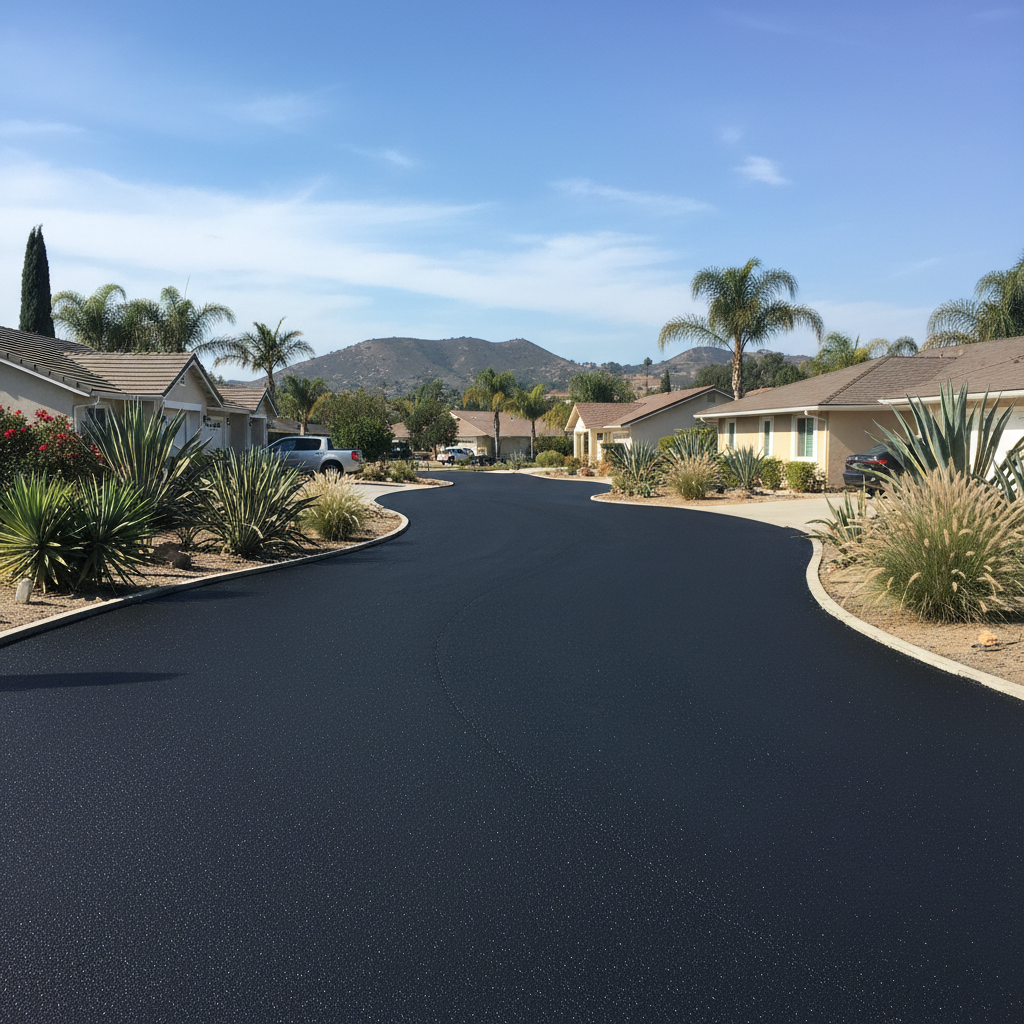
Alright, so you've put down a slurry coat on your asphalt. Smart move. It's a really good way to protect your pavement, make it look new again, and put off those bigger, more expensive repairs. But, just like anything else worth keeping, it needs a little looking after. You can't just lay it down and then forget about it, especially here in National City where our sun and soil can be pretty tough on surfaces. I'm going to tell you what I've seen works best to keep that slurry coat doing its job for years and years.
Making Your Slurry Coat Last Longer
Think of your slurry coat like a tough shield for your asphalt. It's a mix of asphalt emulsion, fine aggregate, water, and some additives that seals up small cracks and gives you a fresh, skid-resistant surface. A good slurry seal can add 5-7 years to your pavement's life — sometimes even 8-10 years if it's done right and you keep up with it.
- First Steps Are Crucial: Right after we put down a slurry coat, it needs time to set up. For the first few weeks, you'll want to avoid heavy turning or quick stops on it. That means no slamming on the brakes or turning your steering wheel when your car isn't moving. Those things can scuff up the fresh surface and leave tire marks, you know?
- Keep it Clean: This might sound simple, but keeping your paved area free of debris, dirt, and oil spills really makes a difference. Those things can break down the slurry material over time. A regular sweep or a quick hose-down helps a lot.
- Watch the Edges: Pay attention to where your slurry coat meets landscaping or dirt. If grass or weeds start popping up, pull them out. Vegetation can push right through the surface and create weak spots.
- Don't Skip Crack Sealing First: Slurry seal is really for minor cracks and surface issues. If you've got bigger cracks, we absolutely need to seal those up properly before applying the slurry. If water gets under the slurry through an existing, larger crack, it'll undermine the whole thing.
Regular Maintenance: What You Need to Do
Keeping up with your slurry coat isn't rocket science, but it *is* important. Here in National City, we get a lot of sun, and that UV exposure is one of the biggest enemies of asphalt. It dries out the binder that holds everything together, making it brittle and gray. That's why your slurry coat is so valuable – it protects against that.
- Routine Inspections: I tell all my clients to walk around their paved areas every few months. Just take a look. Are there any new cracks? Any spots that look discolored or worn? Catching small issues early can save you a lot of headache and money down the road. You can even snap pictures from the same spot each time to track changes.
- Address Spills Promptly: Oil, gas, and other chemicals can eat away at asphalt and slurry. If you have a spill, clean it up quickly with an absorbent material. Don't let it sit.
- Drainage Matters: Make sure water is draining off your paved surface properly. We design our jobs, including slurry coats, with drainage in mind, especially with National City's clay-heavy soils. If water pools up, it'll just sit there, eventually working its way in and causing damage.
Warning Signs of Problems
Your slurry coat will usually give you some hints when it's starting to have issues. Don't ignore these. They're telling you it's time to act.
- Fading or Graying: If your slurry coat is starting to look light gray instead of that rich black, it means the sun is doing its work and the surface is oxidizing. This is a sign that its protective qualities are diminishing.
- New Cracks Appearing: While slurry seals fill small cracks, new, larger cracks appearing on the surface or reflective cracking (where old cracks beneath the slurry start showing through) are a red flag. This means water can get in and start damaging the base.
- Loose Aggregate or Crumbling: If you see small bits of aggregate coming loose, or if the surface is starting to crumble, that's a sign of deterioration. It means the binder isn't holding the aggregate together like it should.
- Potholes or Depressions: Slurry seal doesn't add structural strength. If you see potholes or areas where the pavement is sinking, it's a sign of a deeper problem with the underlying asphalt or base layer.
When to Call a Professional
Look, a lot of smaller maintenance tasks you can handle yourself. But there are times when you really need to call in the pros. Trying to fix a bigger problem yourself often leads to a bigger mess and more expense down the line.
- Widespread Cracking: If you're seeing a lot of cracks, especially those that are spreading or widening, it's time to call us. In National City, those clay soils can shift with moisture, and cracks grow fast. We can assess whether it's just crack filling needed or if the underlying asphalt needs more serious attention before reapplying a slurry.
- Potholes or Significant Depressions: As I said, slurry doesn't fix structural issues. If you've got potholes or areas where the pavement has slumped, that means the base is compromised. That's a job for National City Precision Asphalt. We'll need to dig out the damaged section, repair the base, and then patch it correctly.
- Delamination: If your slurry coat is peeling or separating from the asphalt underneath, that's a sign something went wrong, either with the initial application or with the surface preparation. This needs professional attention to prevent further damage.
- It's Been a While: If it's been 5-7 years since your last slurry coat and you're seeing any of the warning signs I mentioned, it's probably time to get an assessment. Even if it looks okay, a fresh slurry coat every few years is preventative maintenance that pays off.
The bottom line is, a slurry coat is a great investment for your National City property. A little bit of attention and knowing when to call us will keep it looking good and performing well for years.