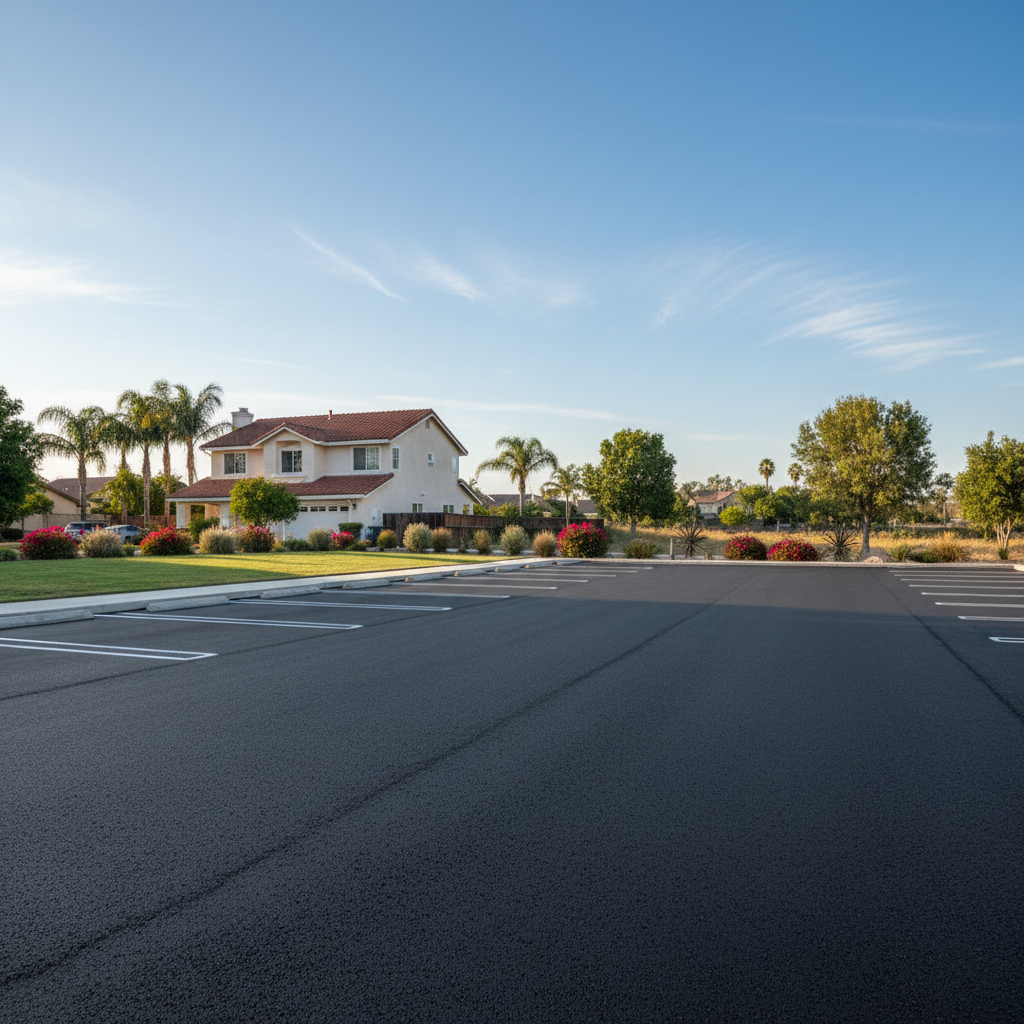
Alright, let's talk about parking lots right here in National City. If you're running a business, you've got customers coming and going, and honestly, you need a parking lot that not only looks good but really holds up. But when's the absolute best time to get that work done? And what does our local weather actually mean for the asphalt itself? I've been doing this a long time, and I can tell you, it's not as simple as just picking a sunny day — trust me on that one.
When to Get Your National City Parking Lot Paved
Unlike folks in colder places who only get a tiny window to pave, we're pretty lucky here in National City. Our nearly frost-free climate means you can schedule asphalt paving almost any month of the year. That's a huge plus, no doubt, but it doesn't mean every month is perfect, or that you shouldn't still plan ahead, right?
The Sweet Spot: Spring and Fall
For big paving jobs, I always lean towards late spring and early fall. Why? Because these seasons give us that ideal balance of moderate temperatures. The asphalt stays pliable during installation, which is super important for proper compaction and a smooth, durable finish. You're really looking for consistent daytime temperatures, ideally somewhere between 50°F and 85°F.
In spring, we wait until the ground has completely thawed and dried out from any winter rains. Late spring usually offers more steady temperatures and less risk of those unexpected downpours. For fall, you'll want to aim for September or October, before any real cold snaps hit. The cooler evenings help the asphalt set nicely, but you're still avoiding the extreme heat of summer.
Summer: Doable, But With a Few Catches
Summer is a popular time for commercial parking lots because of the consistently warm weather and longer daylight hours. This means the asphalt cures faster. However, our Southern California summers can get seriously hot. Extreme heat, especially above 90°F, can make the asphalt too soft. This can lead to problems like improper compaction or even ruts and deformation. If we're paving in the middle of summer, we often schedule work for early mornings or late afternoons to skip the hottest part of the day.
Winter: Great for Planning, Not So Much for Paving
Our winters are mild, sure, but they're not ideal for full-scale paving. The biggest issue? Rain. Water is asphalt's enemy during installation. It stops proper bonding and compaction, and that can lead to weak spots and cracks down the line. National City's winter rains, even if they're short, can be intense, and you definitely don't want water trapped under your new pavement. Plus, though it's rare, if temperatures drop too low, the asphalt can cool too quickly, affecting its strength.
Winter is, though, the perfect time to get your estimates and schedule your spring or summer projects. Contractors are often less busy then, and you can lock in your spot before everyone else rushes in.
Weather Conditions That Really Matter for Asphalt
It's not just about sunshine; it's about temperature, moisture, and even the ground underneath. Here's what we're always looking at:
- Temperature: Like I said, the sweet spot is 50-85°F. Hot-mix asphalt needs to be laid at high temperatures (270-325°F) to be workable. If the air temperature is too cold, the mix cools too fast, making it tough to compact properly. If it's too hot, it stays soft for too long, risking damage.
- Moisture: This is a huge one. Rain, high humidity, or even a wet sub-base can really mess up an asphalt job. Water keeps the asphalt from bonding correctly, which leads to early failure. We need dry conditions, both in the air and on the ground.
- Ground Conditions: This is especially important right here in National City. We've got those clay-bearing and fill soils that can shift with wet-dry cycles. A properly compacted, stable base is absolutely critical for long-term performance. If the ground's too wet or unstable, you're just asking for trouble down the road.
Protecting Your Parking Lot Investment Year-Round
Once your new parking lot is in, the work isn't over. Protecting that investment means ongoing attention, especially with our local climate.
- Curing Time is Key: After we lay the asphalt, it needs time to set and cure. You can usually drive on it lightly after 24-72 hours, but it takes months, sometimes even up to a year, for it to fully harden. During this time, avoid sharp turns, heavy loads, or parking in the exact same spot all the time. The asphalt will lighten from black to gray as it oxidizes and fully cures.
- Sealcoating: This is your first line of defense against the elements. Our intense Southern California sun and UV radiation dry out the asphalt binder faster than in many other places. Sealcoating protects against UV rays, moisture, and extends the life of your pavement. We generally recommend the first sealcoat 30-90 days after installation, and then every 2-3 years after that, depending on how much traffic it gets.
- Drainage: National City's winter rains, even if short, can cause problems if your parking lot doesn't drain right. Standing water leads to erosion and degradation. Make sure your lot is designed with proper slope and drainage to direct water away from structures and prevent pooling. We always pay close attention to this during installation.
- Regular Inspections and Repairs: Don't wait until a small crack becomes a crater. Walk your parking lot regularly. Look for small cracks, soft spots, or areas where water might be pooling. Addressing these issues quickly prevents them from becoming bigger, more expensive problems.
At National City Precision Asphalt, we really know the ins and outs of paving in this area. We account for our unique soil conditions, the coastal influences, and that relentless sun. Getting your timing right, understanding the weather, and staying on top of maintenance will ensure your parking lot lasts for years and keeps looking good for your customers.